
✆: (972) 612-3379
✉:
✆: (972) 612-3379
✉:

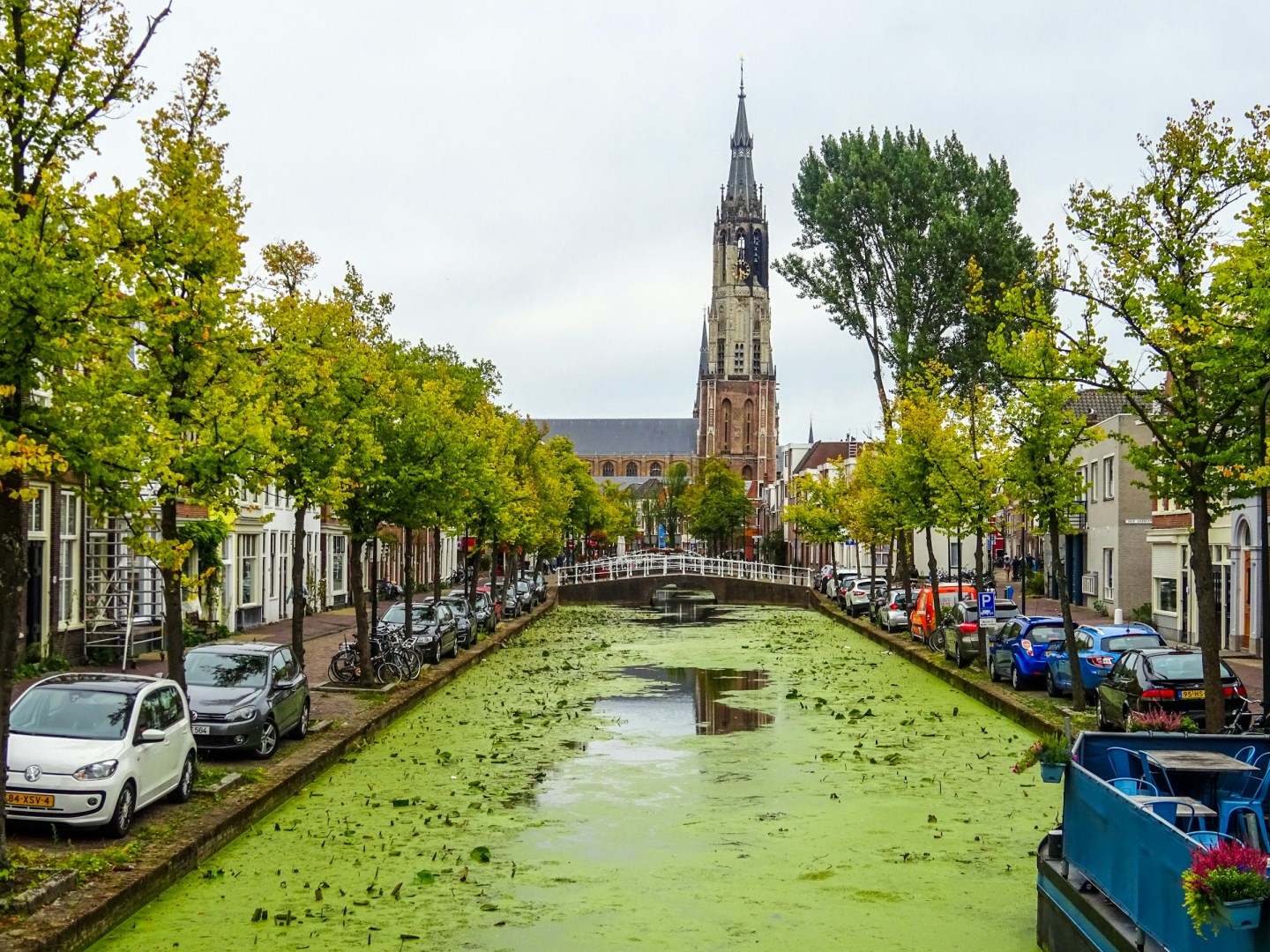
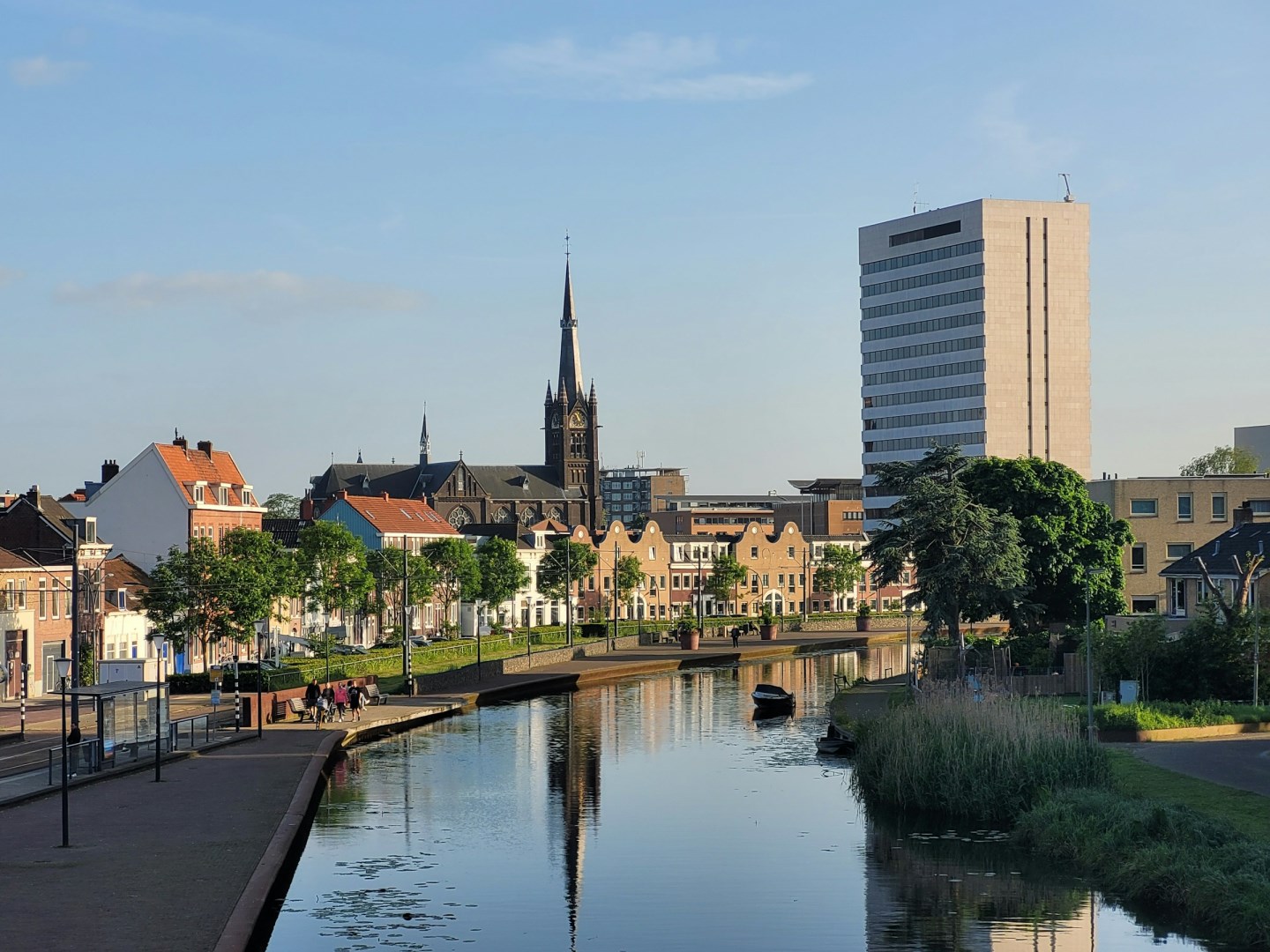
Delft is a historic city in the Dutch province of South Holland, situated between The Hague and Rotterdam and shaped by a network of canals and waterways. Its compact center contains narrow streets, brick houses, bridges, and quiet squares, with the Markt serving as a central public space. The Nieuwe Kerk rises on the eastern side of the square, while the Oude Kerk, recognizable by its leaning tower, stands beside one of Delft’s oldest canals. Delft is also closely associated with Delft Blue pottery, whose blue-and-white designs have become an important part of the city’s cultural identity.
Delft has strong connections with Dutch history, science, and art. The city was the birthplace and home of the painter Johannes Vermeer, whose work depicted Delft’s streets and interiors. The Prinsenhof museum occupies a former monastery where William of Orange lived and was assassinated, and it presents collections about Dutch history and Delft. Delft University of Technology is another important institution, contributing to the city’s long-standing association with science and innovation. Across the historic center, churches, former civic buildings, courtyards, and canal houses illustrate the city’s development as a trading and administrative center.
The canals are among Delft’s most distinctive physical features, particularly along Oude Delft and Nieuwe Delft, where historic façades line the water. The Nieuwe Kerk contains the tomb of William of Orange and serves as the burial place of members of the Dutch royal family. The Oude Kerk contains the tomb of Vermeer and has a tower that leans noticeably because of the unstable ground on which it was built. The Royal Delft factory and museum provides insight into the city’s pottery tradition, while the Delftse Hout lake and surrounding green areas offer walking and cycling routes just beyond the historic center.
Food in Delft reflects the wider traditions of South Holland, with Dutch cheeses, bread, herring, pastries, and pancakes commonly found in local cafés and markets. The city’s pottery heritage also has a practical culinary connection, as Delft Blue tableware remains one of its best-known products. Visitors can see artisans demonstrating traditional painting techniques at Royal Delft, where decorative ceramics continue to be produced. Delft’s canals once played an important role in transporting goods through the city, and several historic warehouses and waterfront buildings still reveal the commercial importance of these waterways to the development of the old center.


Sandy Clark Travel | ✉: | ✆: (972) 612-3379
2204 Courtney Place, Plano TX 75075




An independent agent with Nexion, LLC in Irving, TX, a Travel Leaders Network Affiliate Agency